
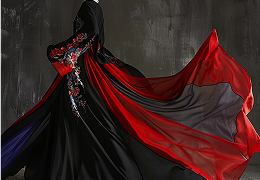
Unique
Unmistakably hanbok,
unmistakably Tchai kim.
Refined
into
elegance
A quiet balance
of restraint and originality.
Tradition,
held onto.
Modernity,
let in.
That’s the direction
Tchai kim moves toward.
Unmistakably hanbok,
unmistakably Tchai kim.
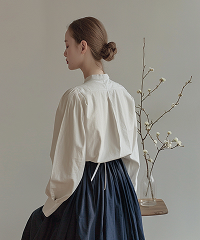
Tradition, worn for today.
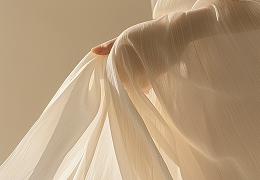
Elegance, without excess.
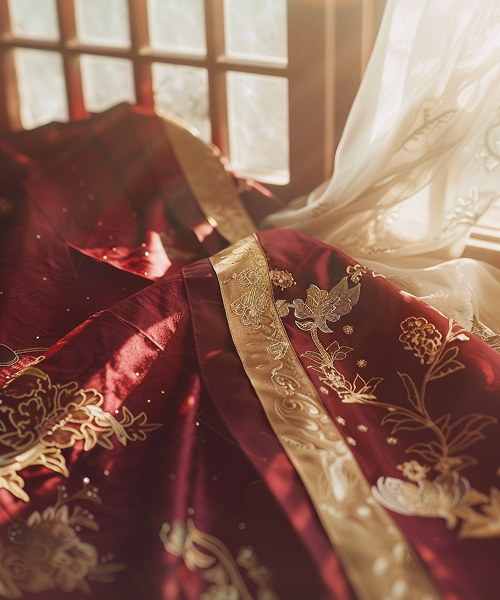
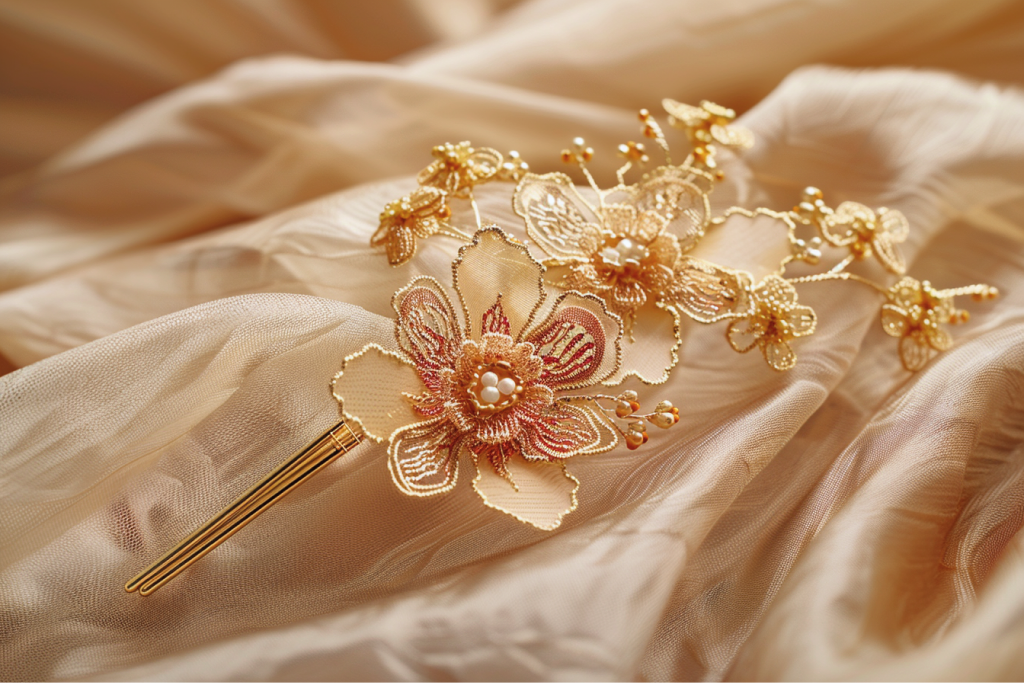
Before Tchai Kim,
there was Tchai Kimyoungjin.
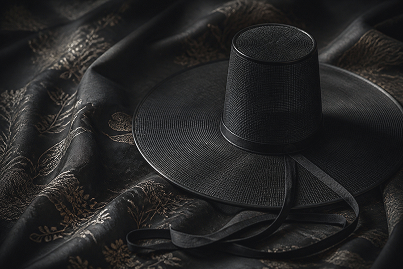
This is where it begins —
hanbok made the traditional way,
true to its original form.
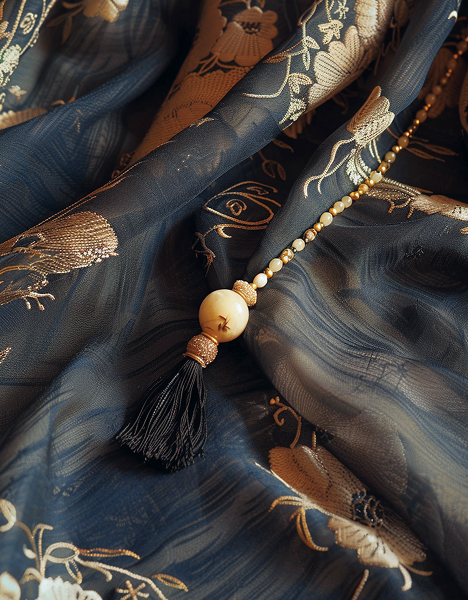
Every piece starts with a conversation,
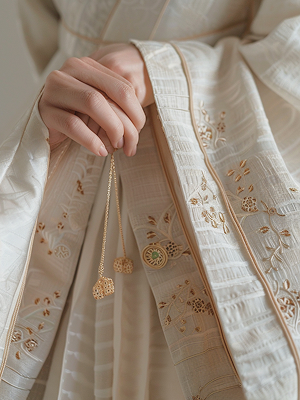
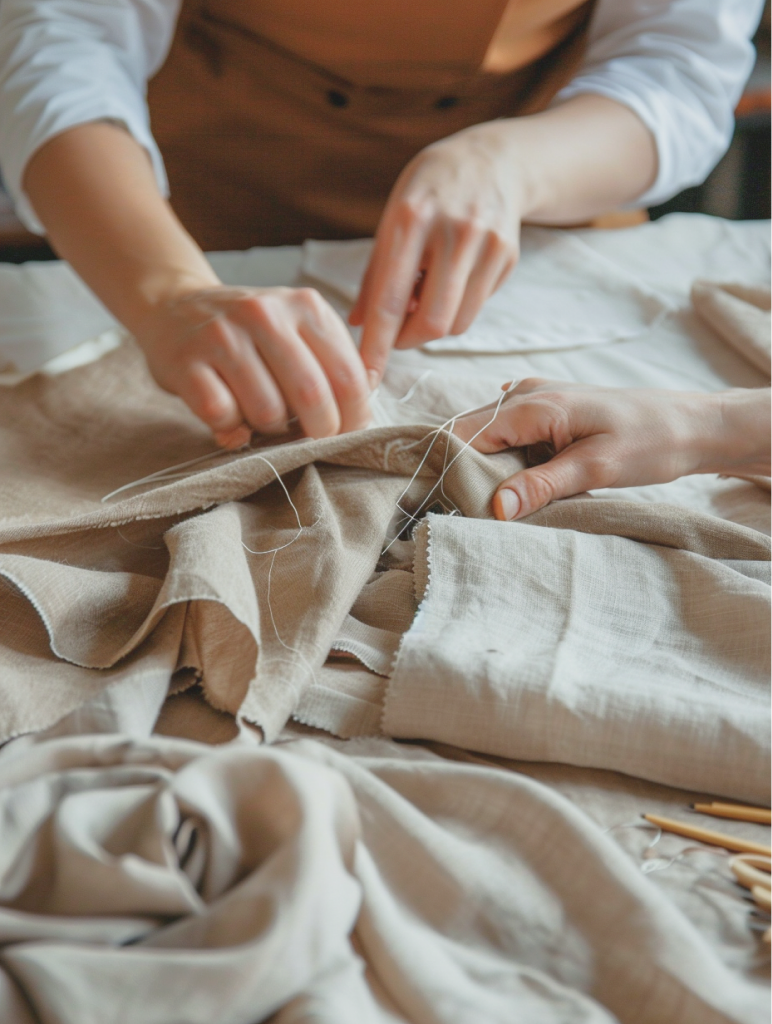
and takes shape by hand, one stitch at a time.
Hanbok wasn’t always something set aside
for holidays and ceremonies.
Long before it became formalwear,
it was simply what people reached for every morning —
to work in, to walk in, to move through an ordinary day.
It belonged to daily life, not to display.
Somewhere along the way, hanbok drifted from
that everyday role into something reserved
for special occasions only.
Tchai Kim brings it back to where it started,
reshaping the silhouette so it can be worn
the way it was always meant to be —
with ease, and with room to move.
Long before it shaped fashion,
color in Korea followed the seasons.
The soft green of new spring leaves,
the deep red of summer’s fullest bloom,
the warm gold of autumn’s last harvest —
each color carried a season within it,
long before it ever touched a piece of cloth.
Blue, red, yellow, white, and black —
Korea’s five directional colors have carried
meaning for centuries, each tied to a direction,
an element, a way of seeing the world.
Tchai Kim carries that same palette forward,
letting it move quietly through every piece we make.
Some things can’t be added after the fact.
The color in our fabric isn’t printed on the surface —
it’s woven into the thread itself,
present from the very first stitch.
What you see is what the fabric has always been,
from the inside out.

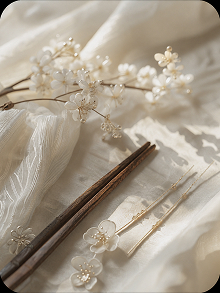
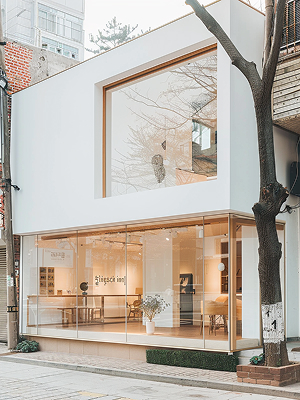
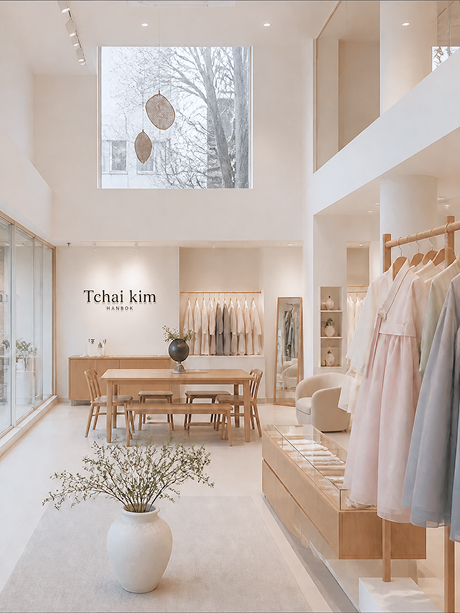
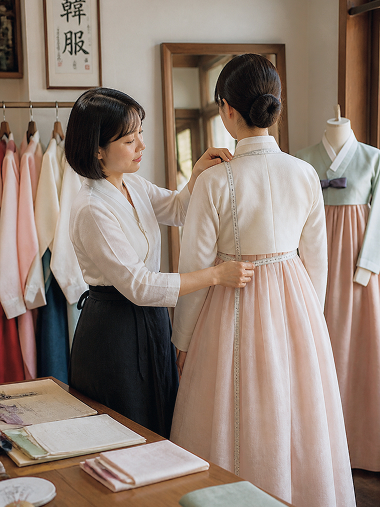
Where craftsmanship lives.
Every piece begins here, in a quiet atelier in Seoul.
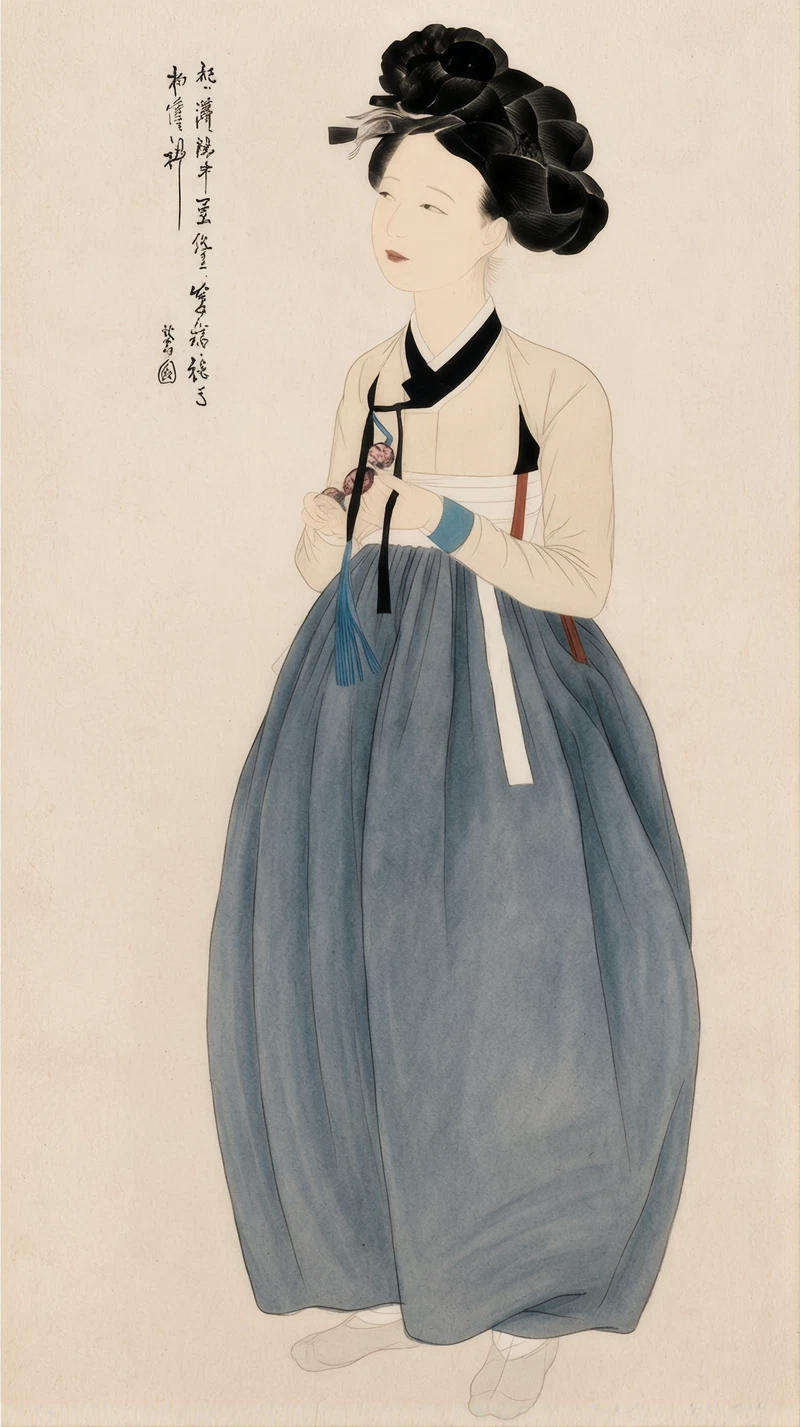
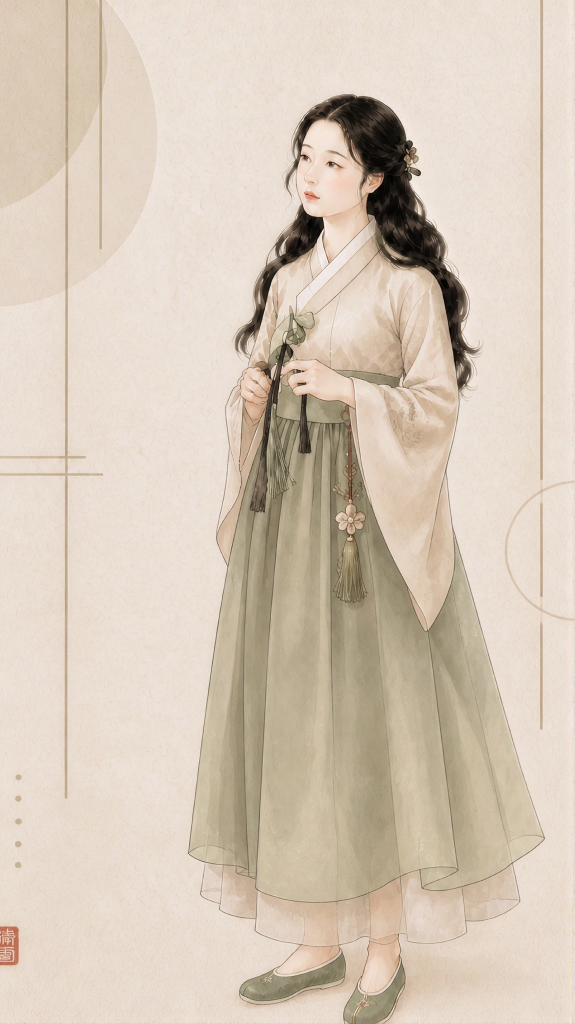

Drawn from the silhouette of an 18th-century portrait —
the perfect proportion, the straight sleeve, the jar-shaped line.
Informed by costume unearthed from ancient tombs,
shaped in fabrics from French lace to mosi and Sangju silk.
Many materials. One restrained beauty.