


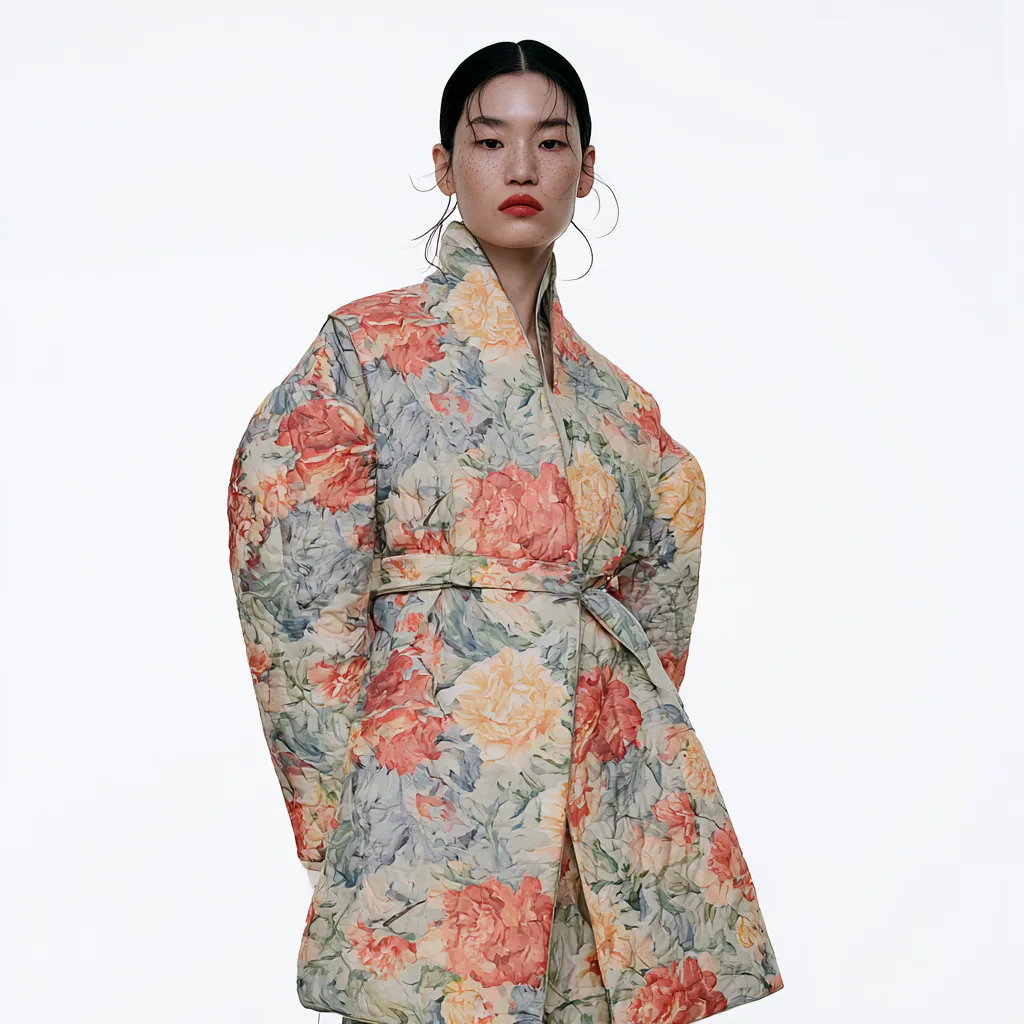

Quilted jacket in a watercolor zinnia print with a wrap tie
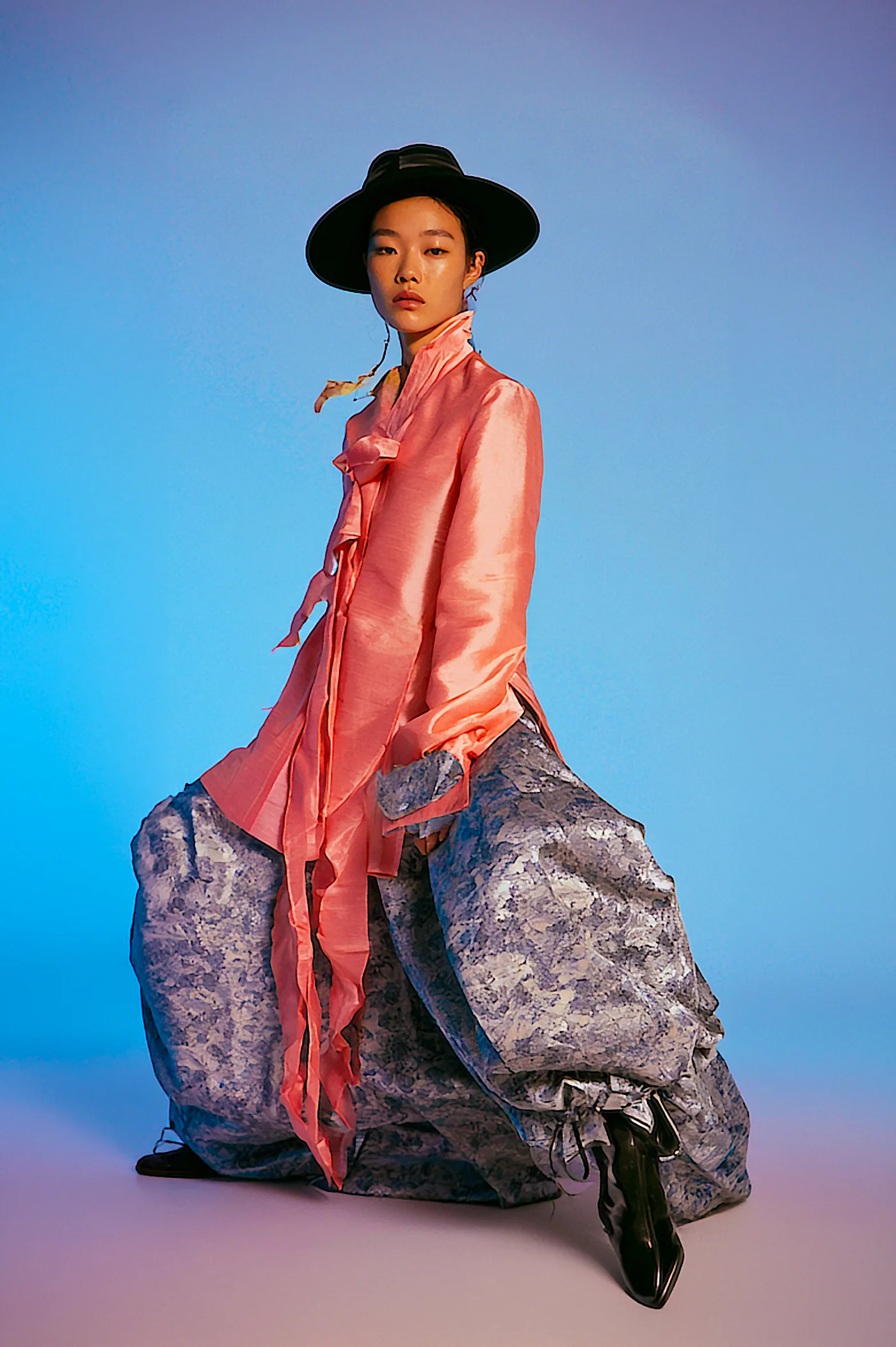
The story behind the garments
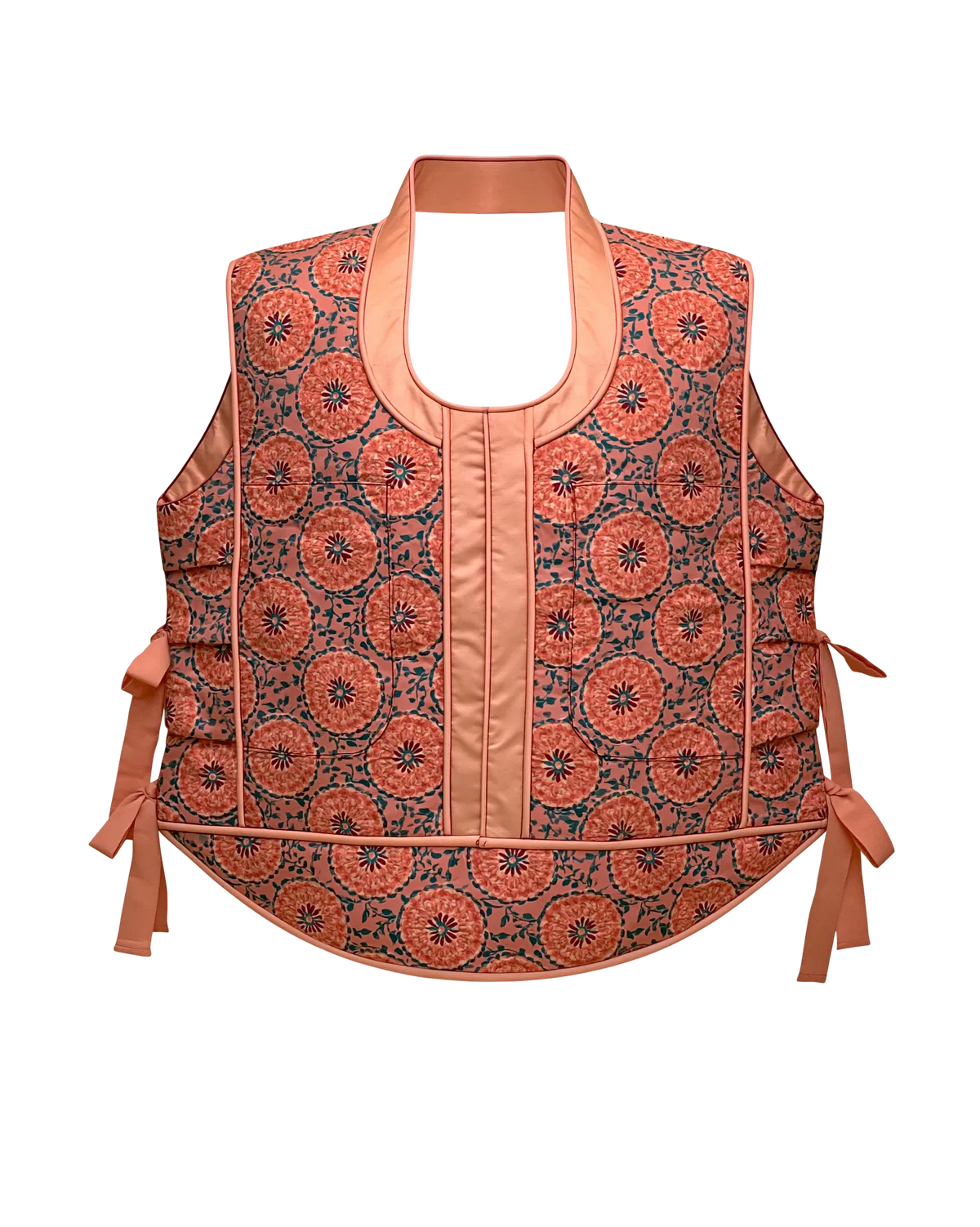
Sleeveless layering vest
Baeja
A sleeveless top worn over the jeogori, open down the front and split at the sides, padded or fur-lined for the cold. King Gojong kept one as everyday winterwear.
Tchai Kim quilts it in nylon and makes it reversible, with velvet ties at the open sides so you can set the fit yourself.
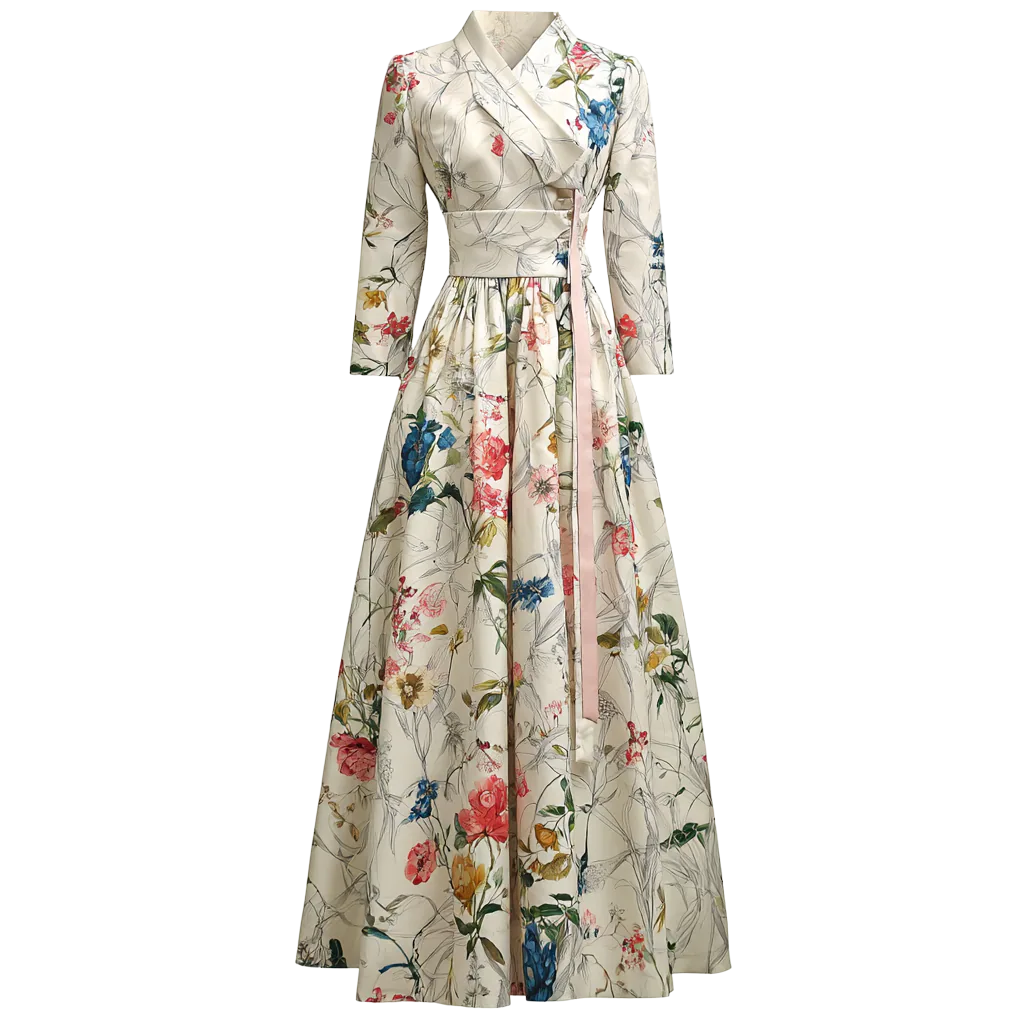
Pleated robe dress
Cheollik
A robe worn by Joseon officials and military men, made by joining a finely pleated skirt to a fitted bodice at the waist.
Tchai Kim keeps the waist seam and the pleats, then reshapes the robe into a dress you can wear to work or to dinner.
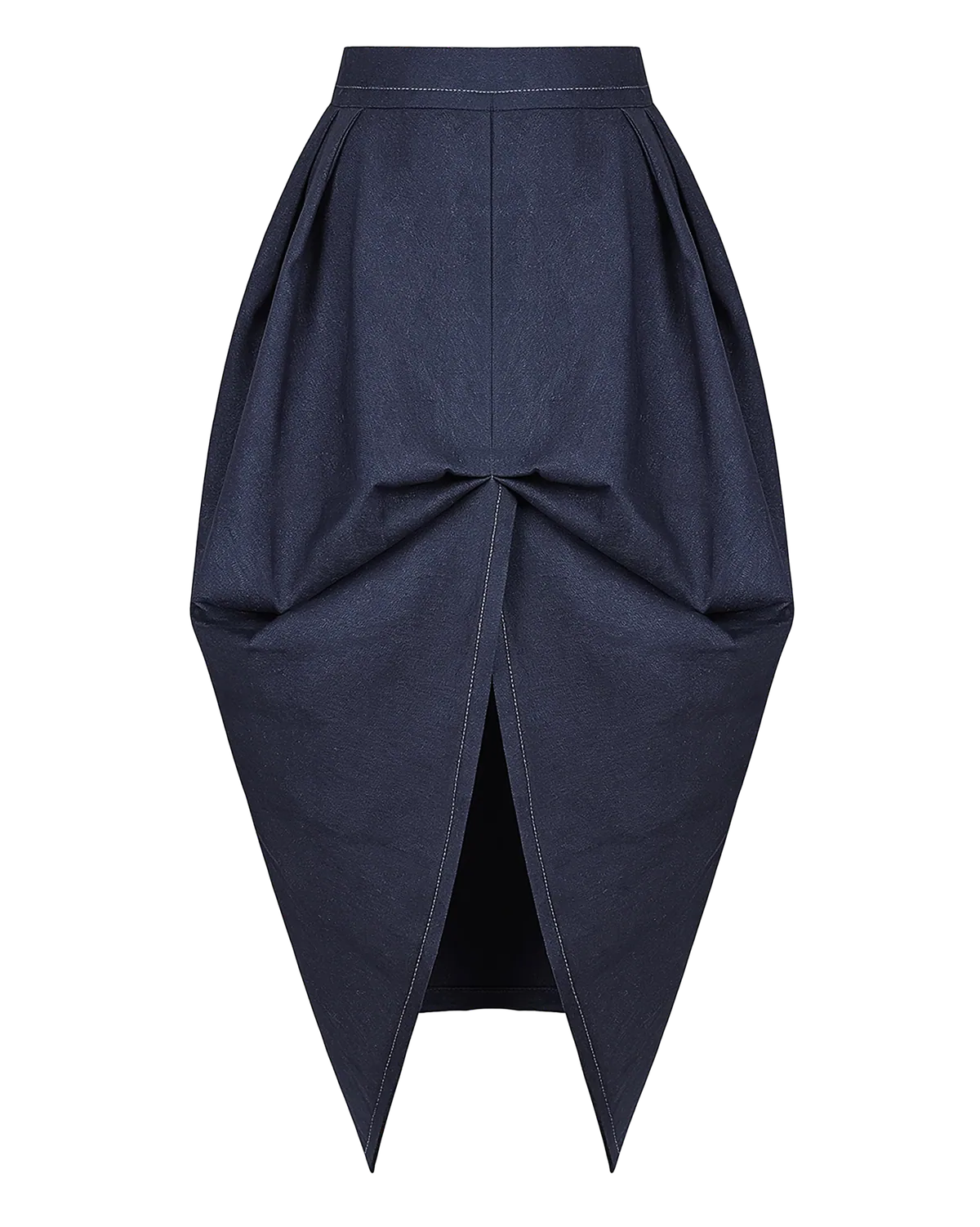
Hitched-up long skirt
Geodeul
Women pulled their long skirts up at the waist to walk and work. Geodeul turned that everyday gesture into a fixed fold, and no example is found after the 17th century.
Tchai Kim brings the shape back, keeping the raised front line but building it into the skirt so it holds without being retied.
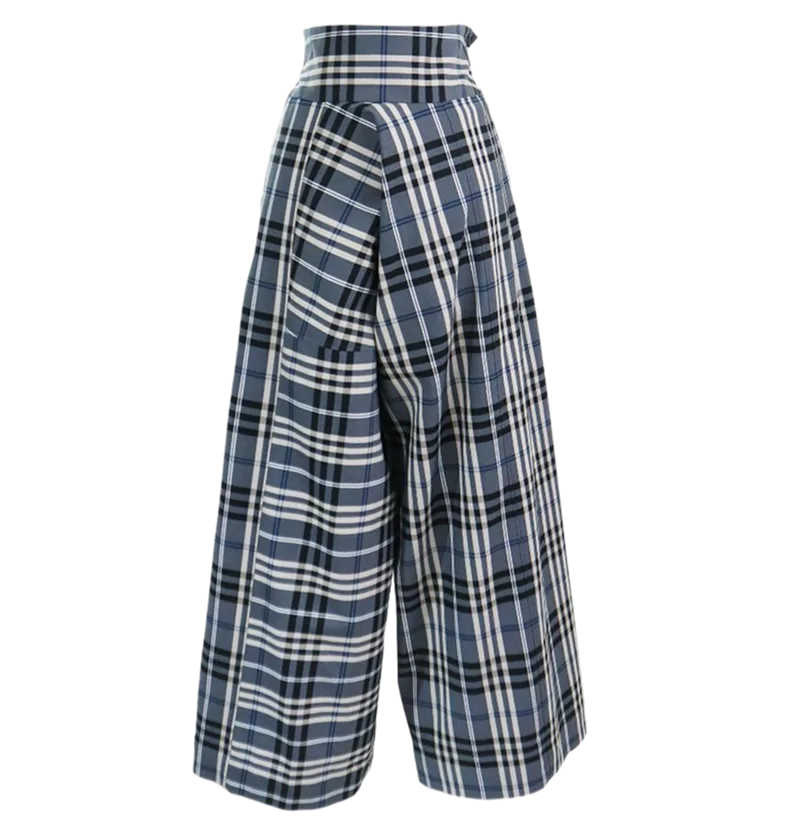
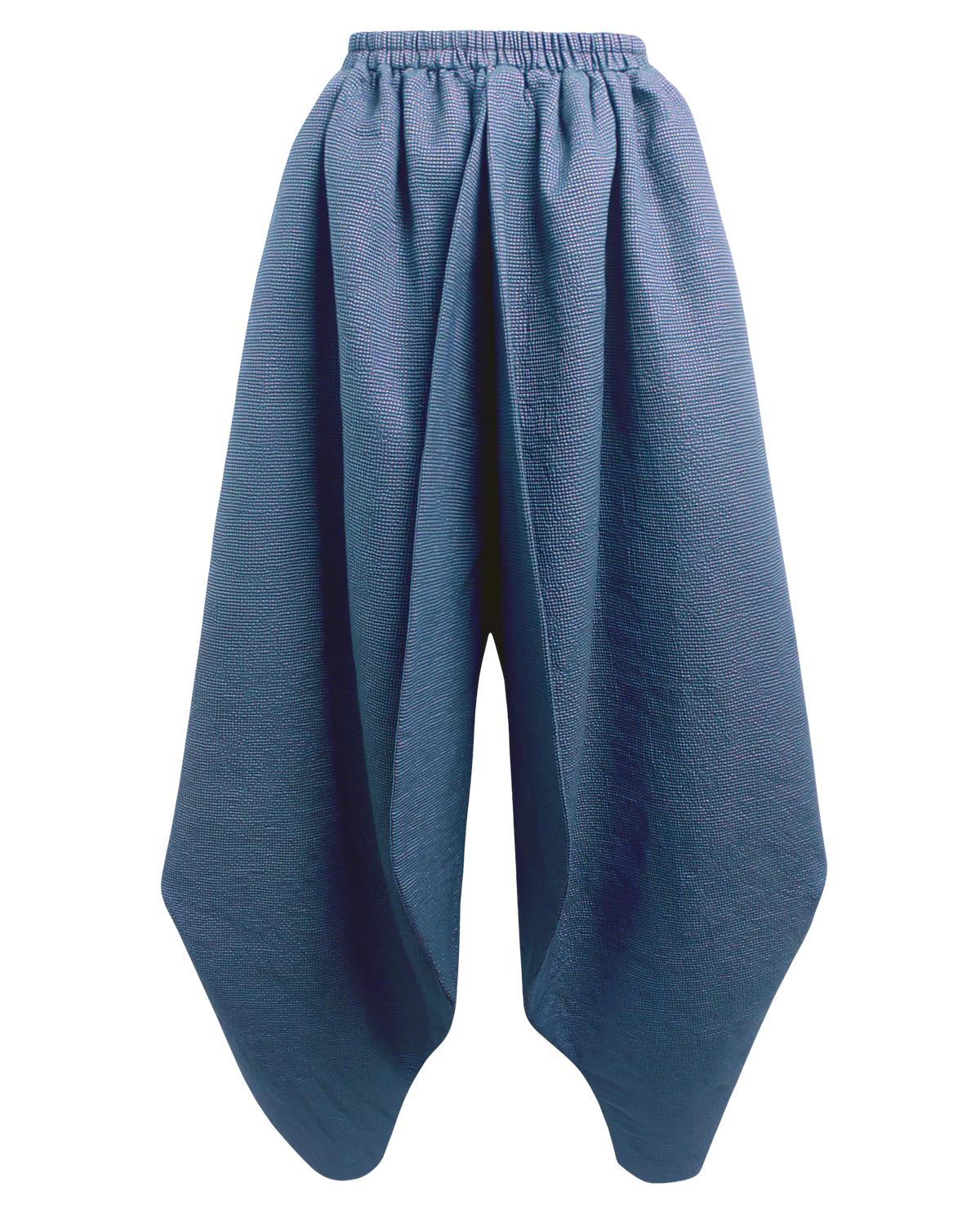
Trousers for a floor-sitting life
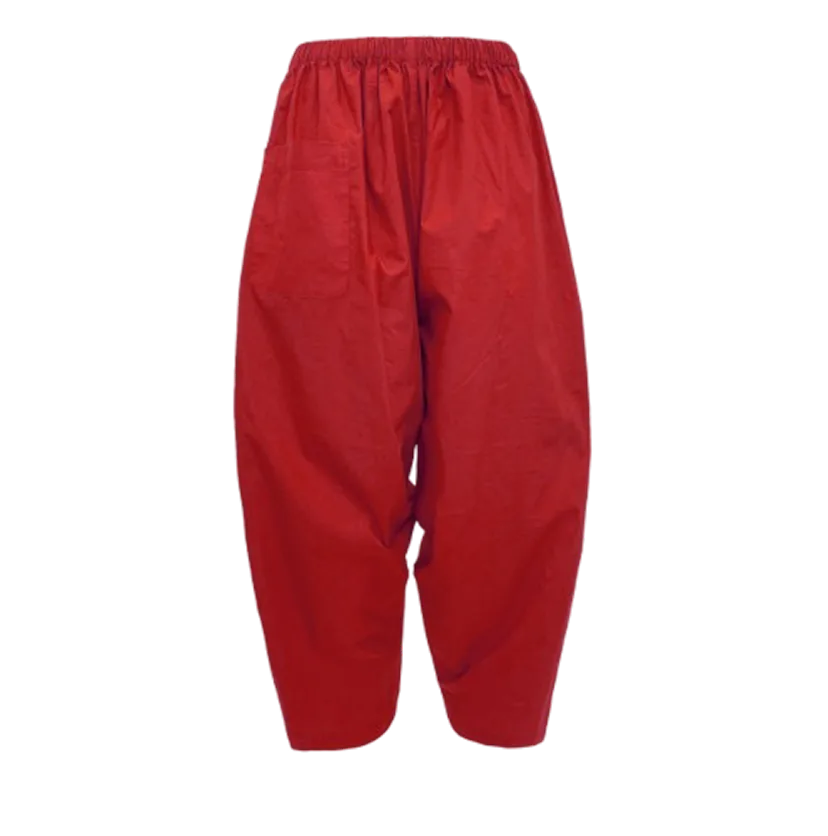
Sapok baji
Men's trousers built for a life on the floor: a wide seat for sitting cross-legged, a narrow ankle, and one bolt of cloth cut with almost no waste.
Tchai Kim keeps the slanted panels and the tapered leg, then opens the waist so the trousers go on without wrapping and tying.
New
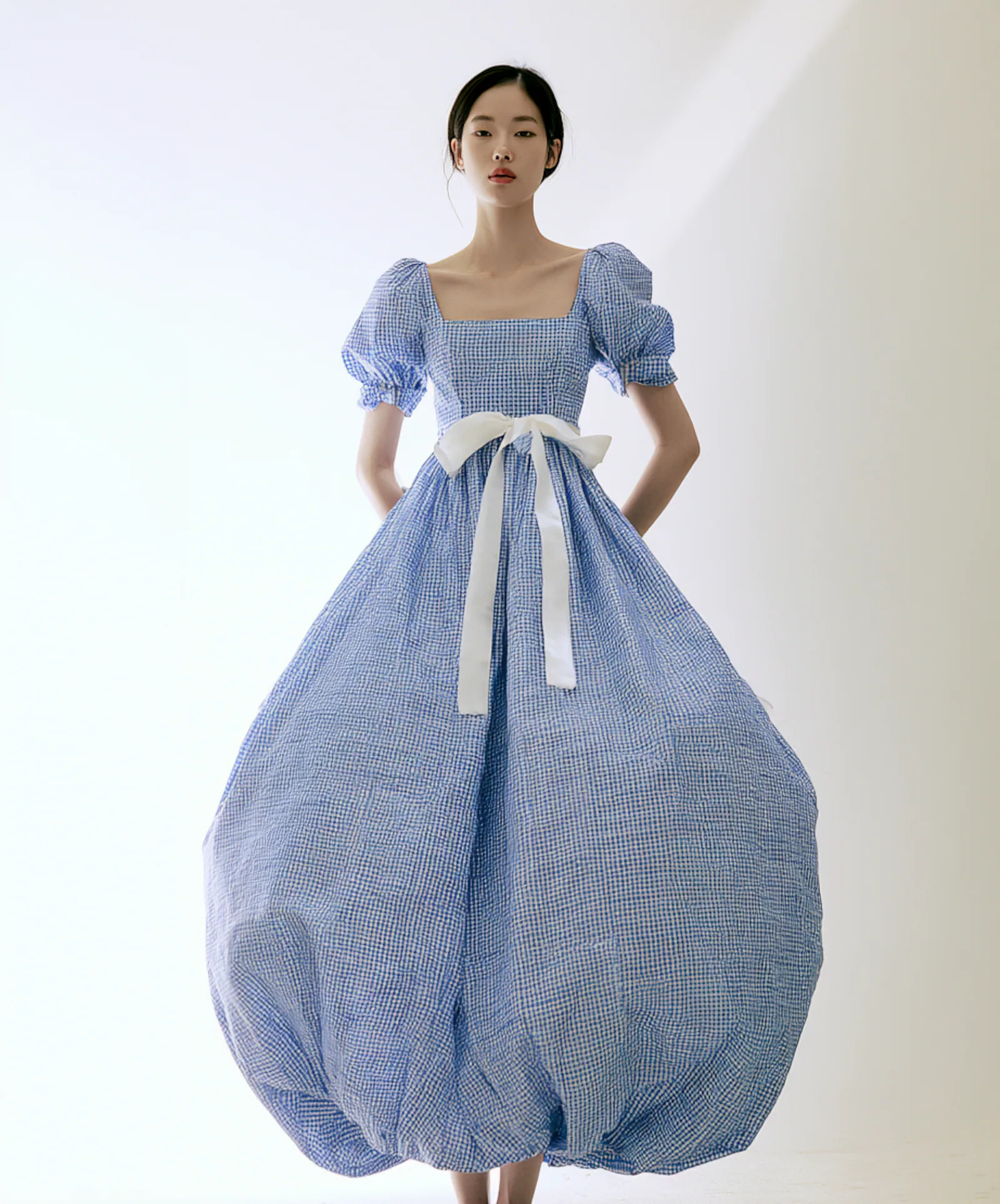
Semi-loose dress with ruffle trim and puff sleeves
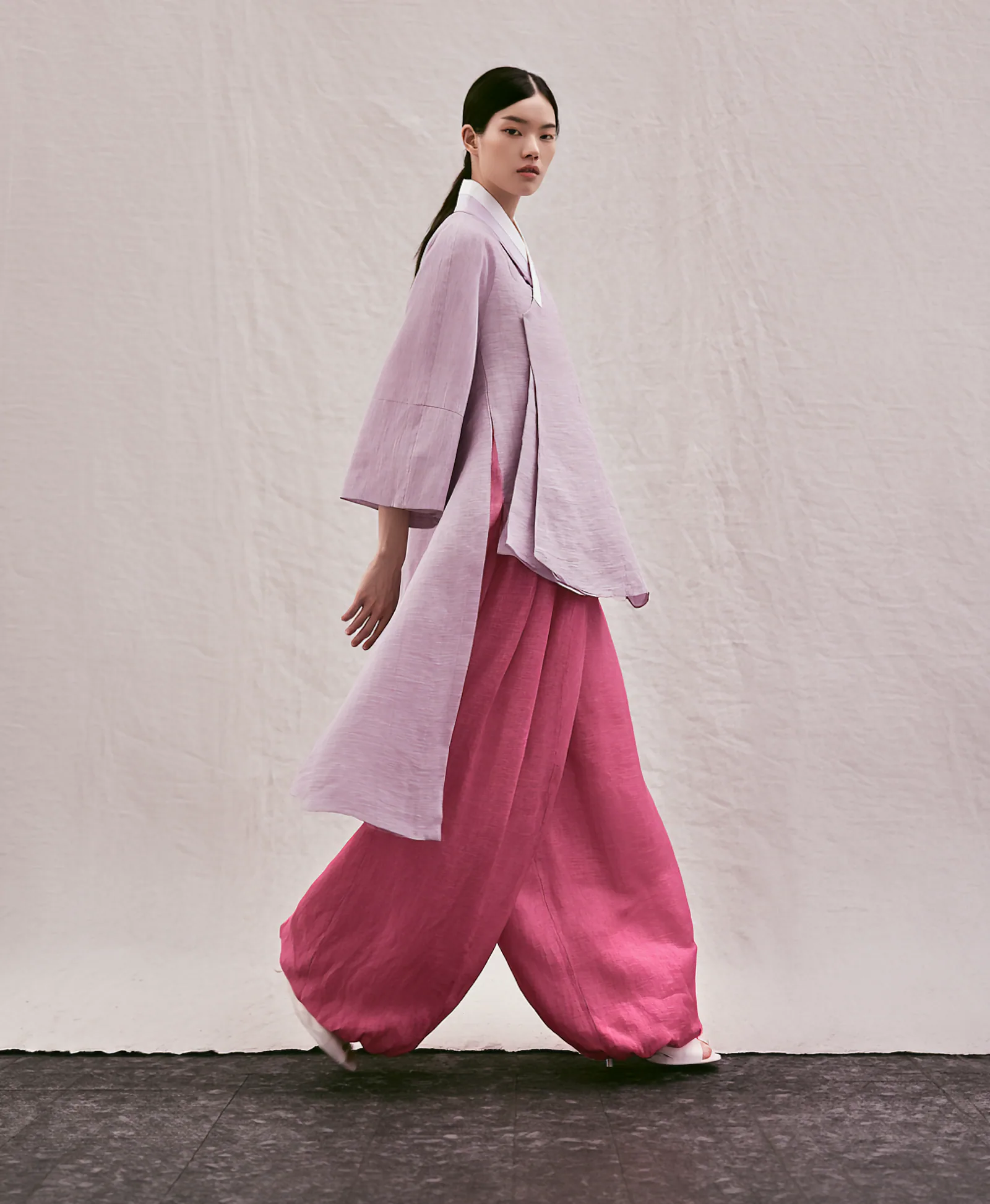
Git Baenaet Coat
$335
Open-front linen coat with wide sleeves and long side slits
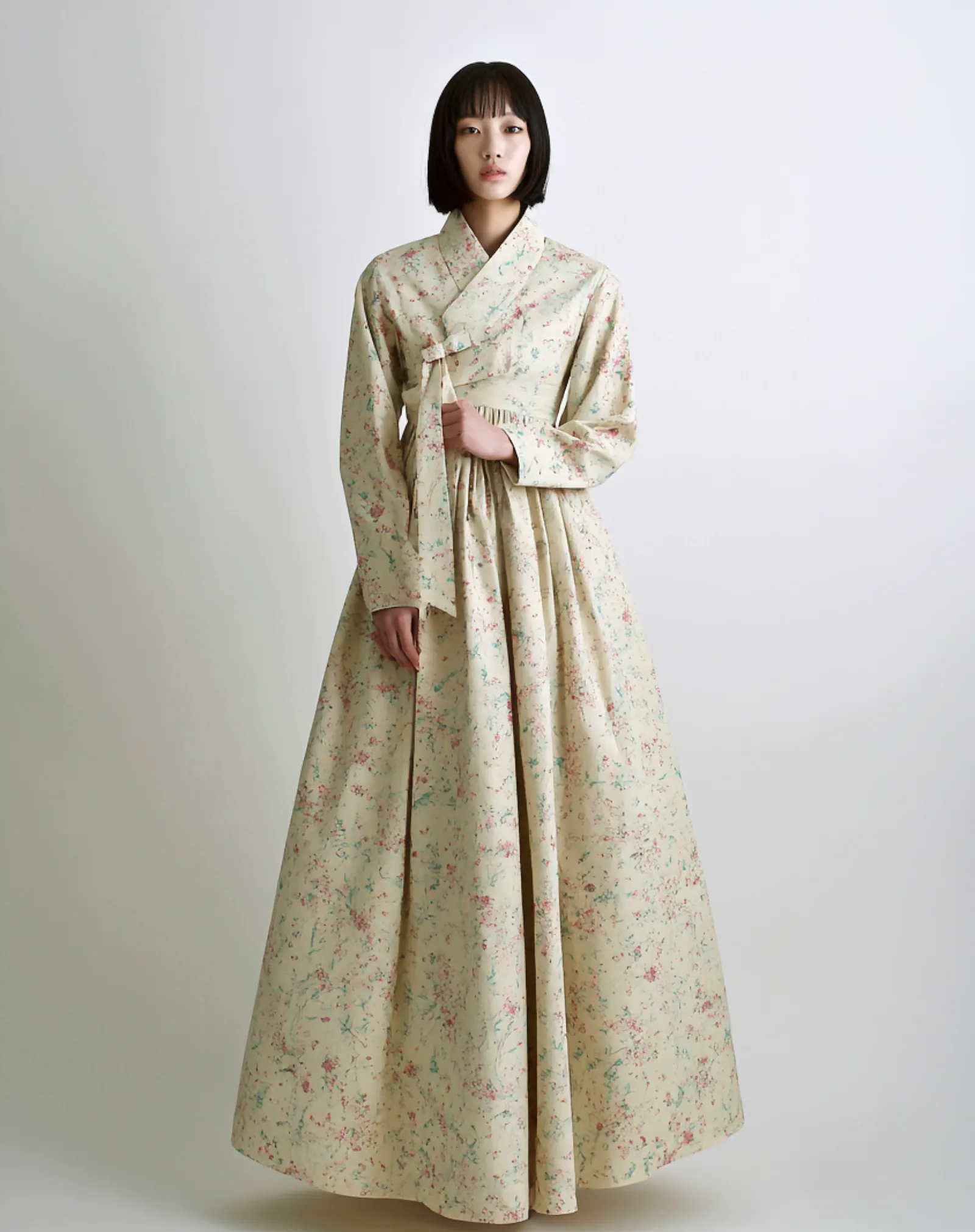
Cropped hanbok jacket, 80-count cotton

All
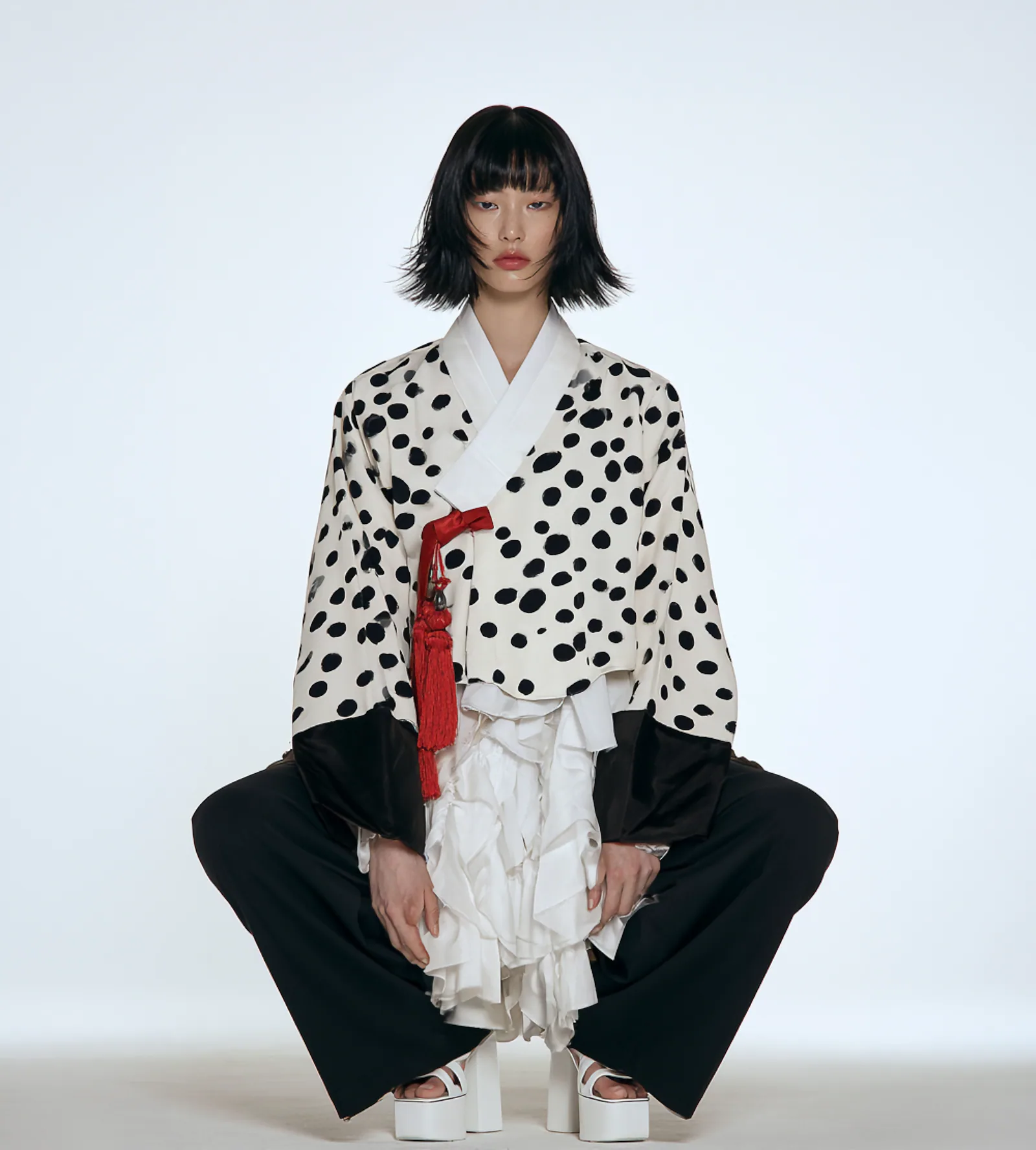
Dot Jeoksam Jeogori
$275
Oversized puff-sleeve jeogori in a bubble dot print.
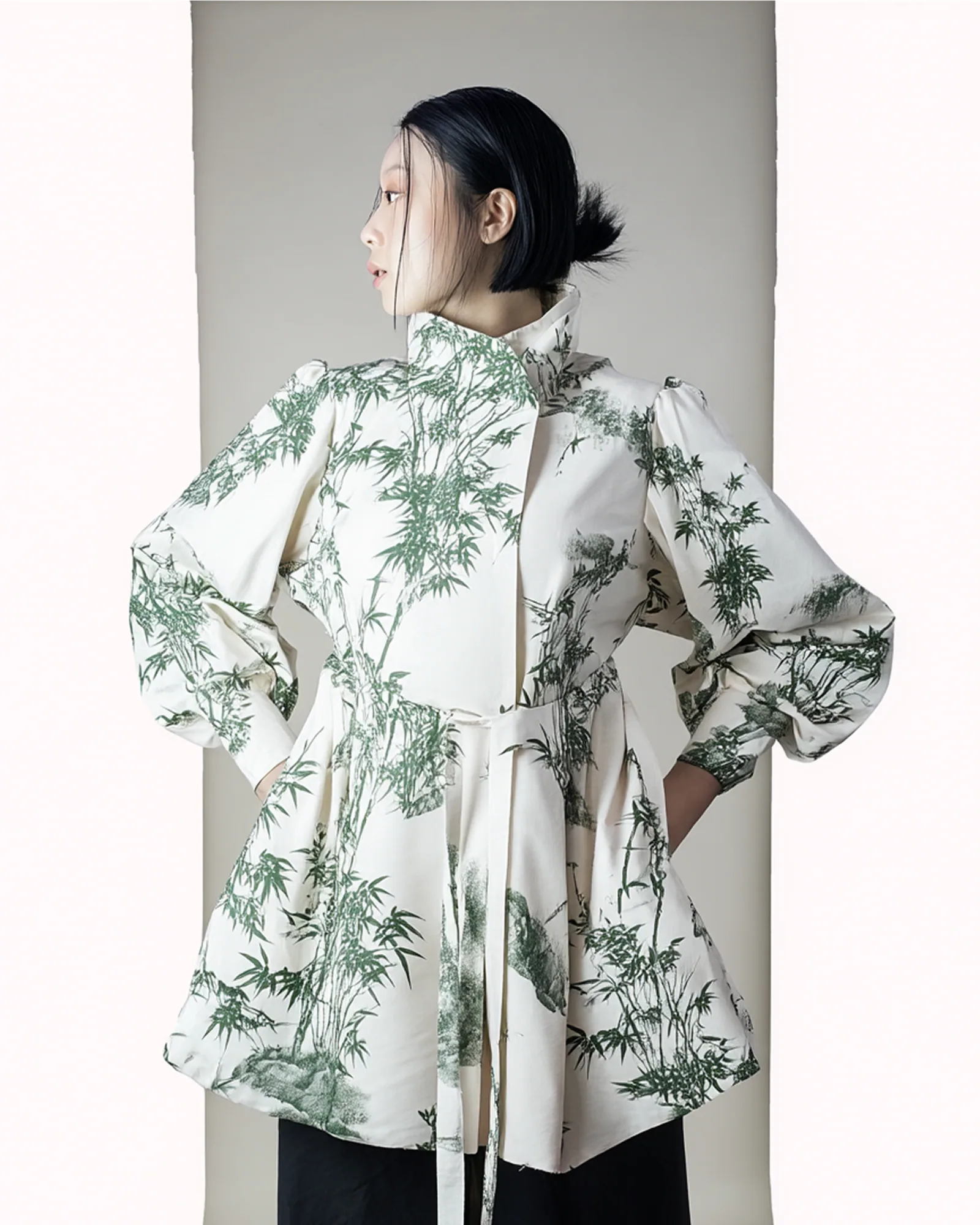
Puff-sleeve shirt in the plum, orchid, chrysanthemum and bamboo print.
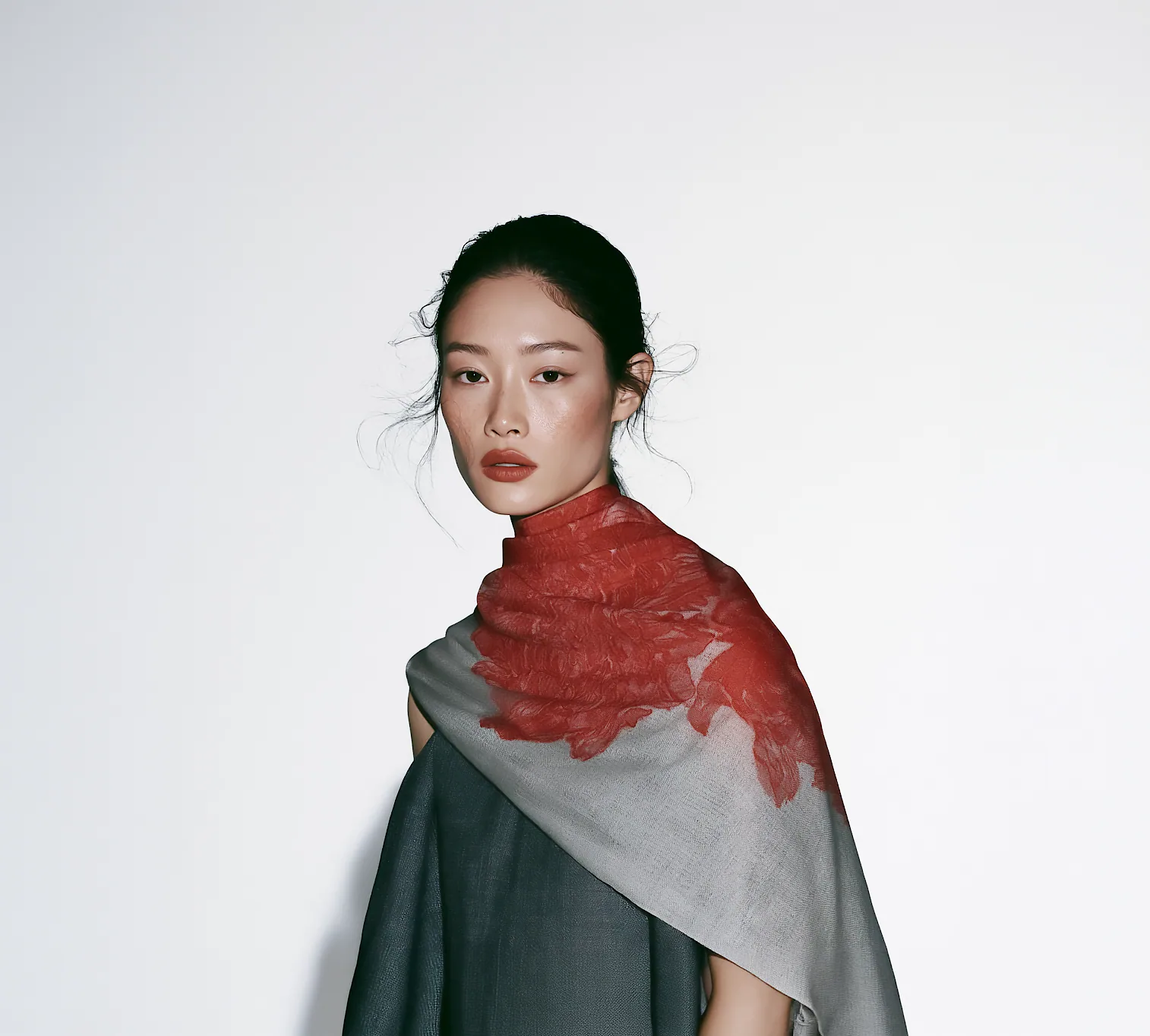
Sheer scarf with a bleeding scarlet floral print
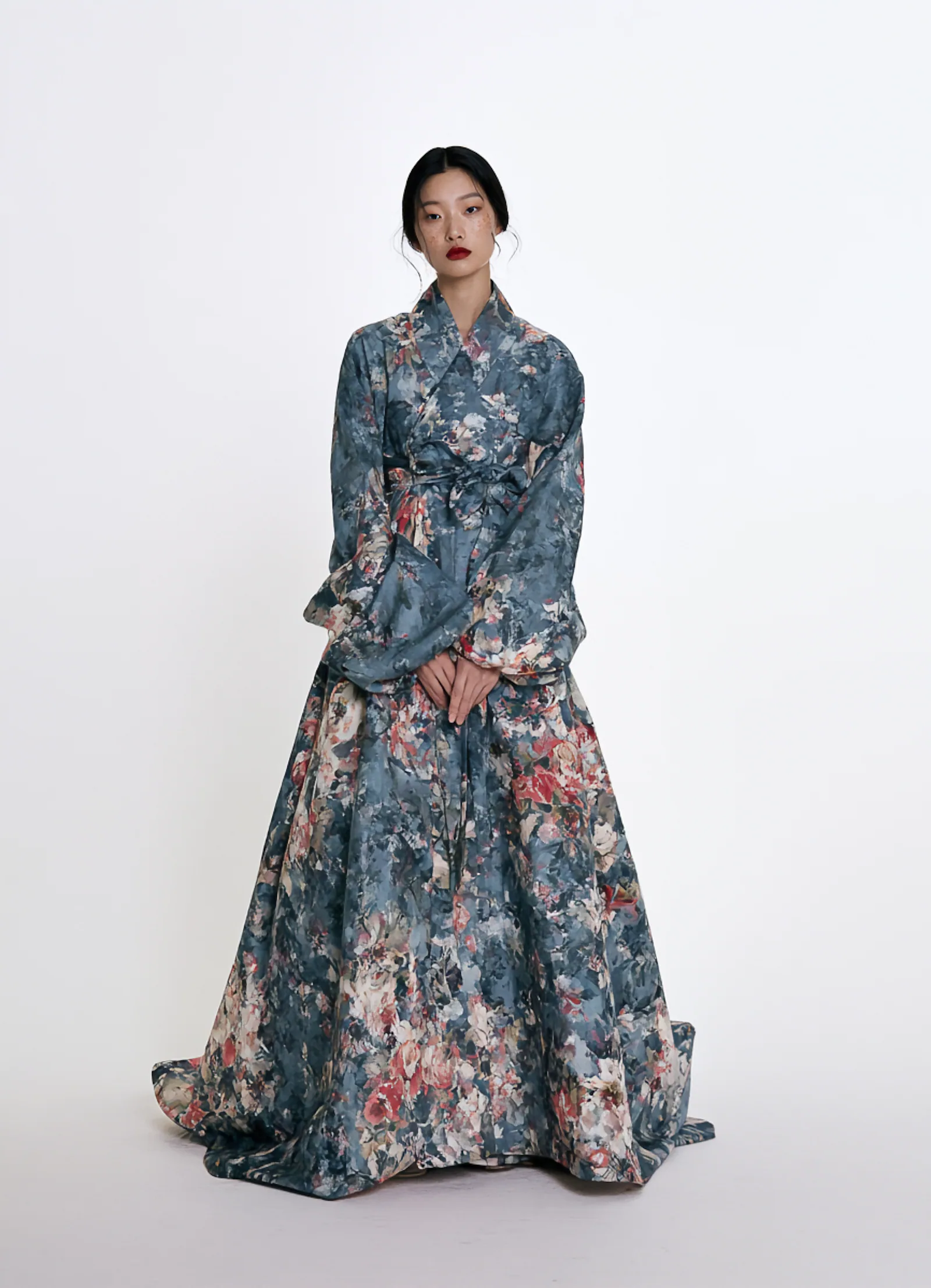
Cheollik dress in a watercolor floral print
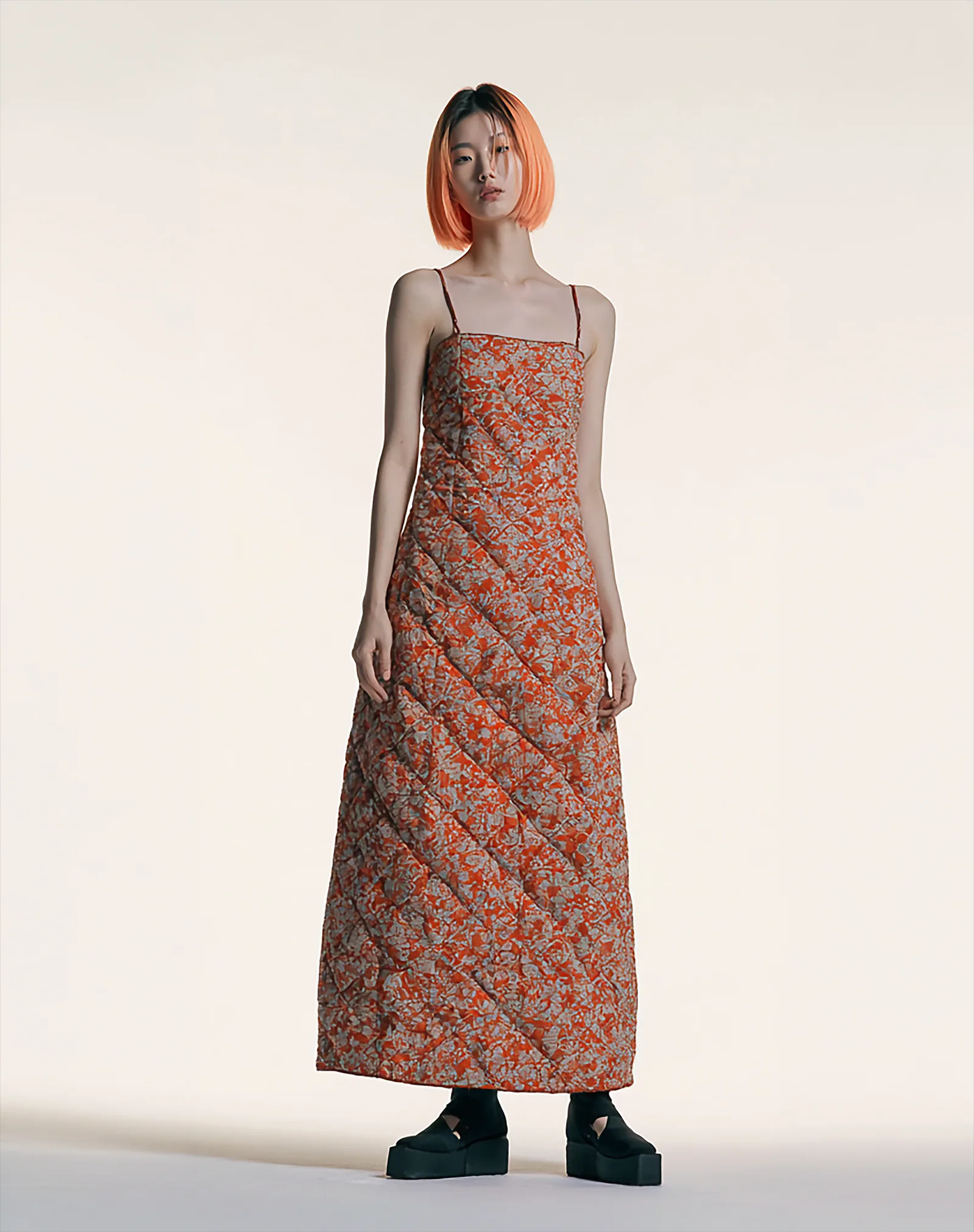
A column-length sundress defined by diagonal panel lines and a vivid floral-check motif.
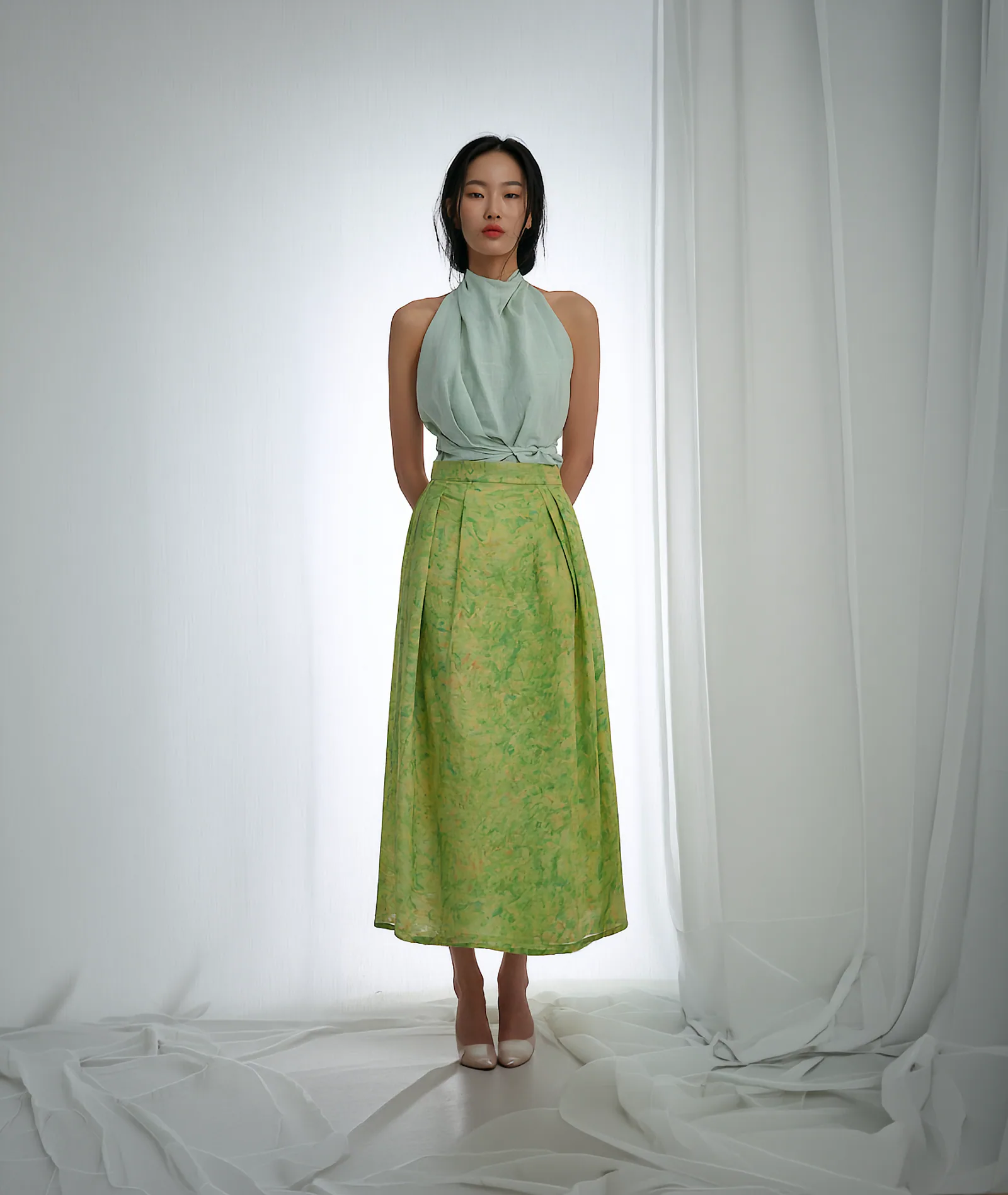
Geodeul Floral Chima
$220
Layered wrap skirt in lightweight linen
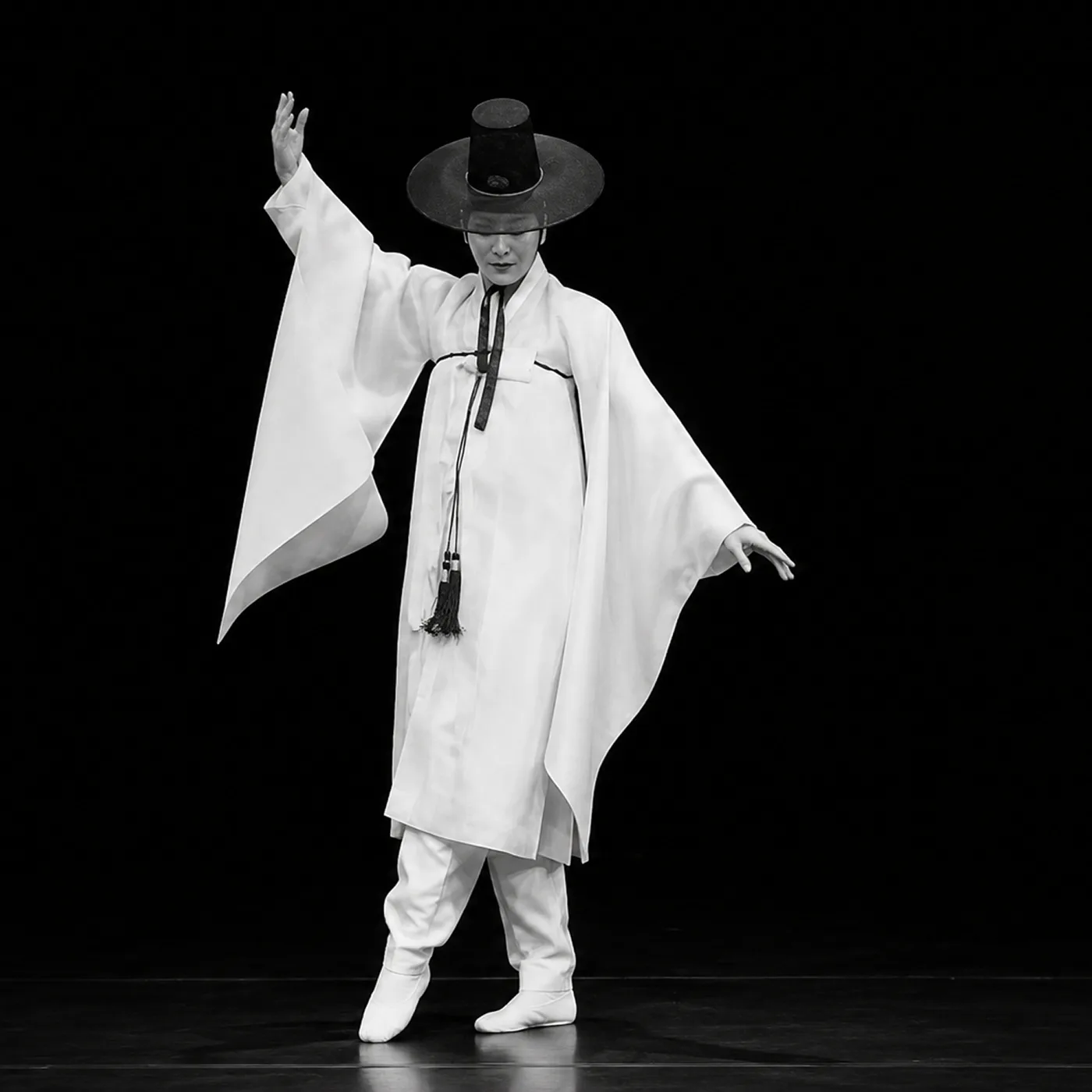
Joseon Dynasty
Freedom, worn
The Namsadangpae travelled across Korea, carrying stories through performance. Their garments were designed for movement, graceful, practical and expressive.
Inspired by this heritage, TCHAIKIM transforms traditional forms into contemporary silhouettes that embody freedom in motion.